sabato 6 settembre 2014

WAIT AND SEE ...... anglosaxone probnerb......!!!

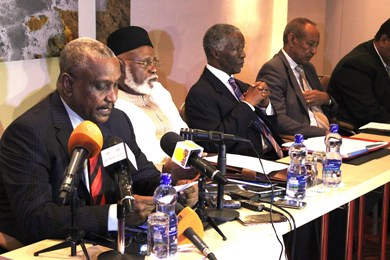
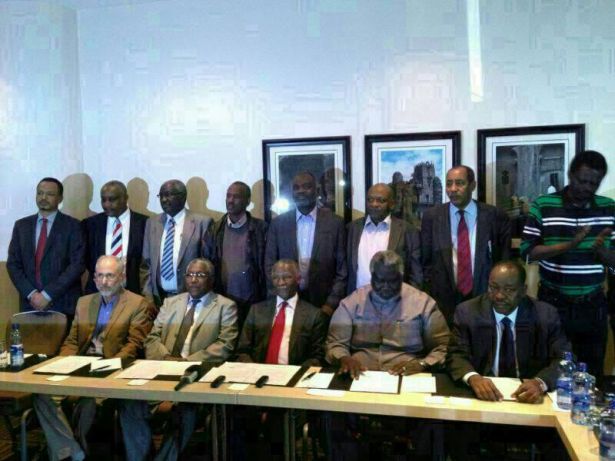
Alrakubh unique signature of an agreement to publish dialogue committee 7 +7 representatives of the Paris Declaration and the testimony of President Thabo Mbeki


09-05-2014 01:31 PM

Alrakubh: Abdulwahab Hemmat


After constructive negotiations with a delegation of mediation under the auspices of the President of the dialogue mechanism President Thabo Mbeki and the mediation team in the Ethiopian capital Addis Ababa on the fifth of September 2014 AD was the dawn of the day Friday the fifth of Spettmbraltoukaa agreements set to dialogue committee 7 plus 7 and a declaration of Paris was signed for the first Dr. Ghazi Salah Eddin, head of the reform movement now, and Mr. Ahmed Saad Omar and witnessed the signing of President Thabo Mbeki Chairman of the dialogue mechanism

By another agreement was signed testament to the national dialogue and the process of constitutional construction and delegated representatives to sign on behalf of the Paris Declaration, Mr. Sadiq al-Mahdi of the Umma Party Chairman, Mr. Chairman Malik Agar Revolutionary Front.

It is worth mentioning that these parties have signed each of them individually hand. The parties agreed on the two agreements signed in the following:

First: a comprehensive political solution is the best option to resolve all the problems of Sudan

Second: stop the war and the declaration of a cease-fire and to address the humanitarian situation must be the highest priority in the operations to rebuild trust

Third, ensure freedoms and basic human rights and the release of political detainees and Almatkulaian convicts priority is to build confidence and create a communication

Fourthly, we must begin to dialogue and constitutional process after laying the groundwork, rules and procedures that will be under the dialogue.

Fifth: All the participants in the dialogue to them the freedom to express their attitudes and opinions

Sixth: dialogue must be according to a timetable agreed upon.

Seventh: Safeguards must be available for the implementation of the outputs of dialogue and Banna Oualdsturi

Eighth: the need for the participation of all parties to ensure reaching a national consensus

Delegated representatives of the Commission for 7 plus 7

Mr. Ahmed Saad Omar

Dr. Ghazi Salahuddin Atabani

Witnesses

President Thabo Mbeki

Head of GM's high-

And level of the African Union

African Union

Follow-up mechanism and the implementation of high-level

The second agreement was signed between the forces of the Paris Declaration and the testimony of President Mbeki


Agreement on the national dialogue and the constitutional process

After constructive negotiations with a delegation of mediation under the auspices of the President of the mechanism President Thabo Mbeki and the mediation team in the Ethiopian capital Addis Ababa on September 5, 2014 AD, the undersigned acknowledged as follows: -


First: a comprehensive political solution is the best option to resolve all the problems of Sudan

Second: stop the war and the declaration of a cease-fire and to address the humanitarian situation must be the highest priority in the operations to rebuild trust

Third, ensure freedoms and basic human rights and the release of political detainees and Almatkulaian convicts priority is to build confidence and create a communication

Fourthly, we must begin to dialogue and constitutional process after laying the groundwork, rules and procedures that will be under the dialogue.

Fifth: All the participants in the dialogue to them the freedom to express their attitudes and opinions

Sixth: dialogue must be according to a timetable agreed upon.

Seventh: Safeguards must be available for the implementation of the outputs of dialogue and constitutional Banna

Eighth: the need for the participation of all parties to ensure reaching a national consensus


Signed by representatives of all the forces of the Paris Declaration

Mr. Sadiq al-Mahdi head of the National Umma Party

Commander Air Chairman Malik Agar Sudanese Revolutionary Front

Testimony

President Thabo Mbeki

Chairman of the mechanism of high-

Level of the African Union


lunedì 1 settembre 2014

No Peace.... nothing forward.

Home

News Monday 1 September 2014

SPLM-N says AU failed to call for new round of negotiations with Khartoum

ArticleComments (0). Email PrintSave

--------------------------------------------------------------------------------


August 31, 2014 (KHARTOUM) – The Sudan people’s Liberation Movement-North (SPLM-N) has dismissed statements by a Sudanese official saying the rebel group had declined an invitation to resume peace talks aimed at ending conflict in the Two Areas.


SPLM-N secretary-general and chief negotiator speaks at the opening session of peace talks in the Ethiopian capital, Addis Ababa, on 13 February 2014 (Photo: AUHIP) Sudanese presidential assistant and head of the government negotiating delegation, Ibrahim Ghandour on Saturday said that the SPLM refused the resumption of negotiations.


However, SPLM-N spokesperson Mubarak Ardol decried these claims, stressing that all what they received from the African Union mediation was an invitation for a consultation meeting on the national dialogue.


“We reiterate that the African Union High Level Implementation Panel (AUHIP) did not call to hold a new round of talks between the SPLM-N and the National Congress Party (NCP) but extended an invitation to the Sudanese Revolutionary Front (SRF), as one organisation, and the president of the National Umma Party Mr. Sadiq al-Mahdi to meet them,” Ardol said.


The rebel official further said that Ghandour is displeased by this recognition, and regretted that such attempt to misinform the Sudanese people comes from the chief negotiator.


Rebel delegations are in Addis Ababa for consultation meetings with the African Union officials over the national dialogue and ways to consider their participation in this process.


Sudanese government officials announced their keenness to involve rebel groups in the dialogue process.


They said this participation can come after the signing of a peace agreement in separate talks in Addis and Doha. If the rebel refuse the first option they can directly join the internal process where they can discuss peace and constitutional reforms in the framework of the national dialogue conference.


In a roadmap proposed in April, the rebel SRF demands a cessation of hostility, and talks on a framework for this process outside Sudan. However, the government proposes they come inside the country with international guarantee.


Khartoum see that a permanent ceasefire agreement should be negotiated before peace talks and rejects the idea of a cessation of hostilities, saying it allows rebels to prepare for a new war.


It is not clear if the AUHIP will invite the government and SPLM-N to meet again after the suspension of talks last April.


During a recent visit to the Sudanese capital, AUHIP chief said he and Darfur joint mediator Mohamed Ibn Chambas would consult the Qatari government on a new approach agreed with the government over the inclusion of rebels in the national dialogue.


Sudanese officials emphasised that Mbeki’s role will be restricted to monitoring the inter-Sudanese process.


(ST)


Sudan says rebels rejected African Union invitation to resume talks on Two Areas

giovedì 28 agosto 2014

Freedom for the Sudanese people.

Dichiarazione di Parigi


Per unire le forze del cambiamento, al fine di porre fine alla guerra e stabilire uno stato democratico basato sulla parità di cittadinanza

Le delegazioni del Fronte Rivoluzionario Sudanese (SRF) e l'Uma National Party (NUP), sotto la guida di Malik Agar e Alsadig Almahdi rispettivamente, si sono incontrati a Parigi, tra il 6 e l'8 agosto 2014, per soddisfare le aspirazioni del popolo sudanese e le forze attive che anelito per l'unità di tutte le forze del cambiamento, tra cui le forze politiche e la società civile. Tale unità mette fine alle strategie regime di Khartoum di rimanere al potere attraverso la creazione di divisioni e dubbi tra le forze del cambiamento e attraverso la lacerazione del tessuto sociale sudanese.


Gli incontri affrontati, in piena trasparenza e la critica costruttiva, le esperienze passate in Sudan e hanno affermato la volontà del popolo sudanese per un futuro luminoso che non potranno essere raggiunti senza l'unità delle forze alternative democratiche e la mobilitazione delle forze del cambiamento, al fine per fermare la guerra, garantire la sicurezza per i cittadini sudanesi, specialmente gli sfollati interni e dei rifugiati, al fine di tornare alla loro casa originale, completo cambiamento democratico e la creazione dello stato basata sull'uguaglianza dei cittadini. Inoltre, la riunione si è discusso come sollevare le sofferenze e migliorare le condizioni di vita degradate del popolo sudanese. Essa incoraggia inoltre le campagne di rivelare l'entità della corruzione in Sudan e le modalità di restituzione del capitale e beni rubati al tesoro Sudan. Al termine degli incontri, le parti hanno concordato quanto segue;


Fine delle Guerre:

1-Le parti confermano il loro impegno per l'unità del Sudan sulla base della giustizia e della parità di cittadinanza.

2 La fine della guerra è l'approccio giusto per ogni dialogo nazionale credibile e seri impegni costituzionali, insieme con disposizione esplicita di libertà e di accordo sulle modalità di governo di transizione.

3 Riconoscendo l'urgenza di affrontare le situazioni umanitarie e in un gesto di apprezzamento per la riunione, la SRF ha dichiarato la propria disponibilità per la cessazione delle ostilità in tutti i settori di attività.

4- Le parti richiedono l'uso di questa opportunità di cessazione delle ostilità, che può essere esteso, in modo da garantire la sicurezza e la sicurezza per i cittadini, affrontare le situazioni umanitarie, fermare il bombardamento aereo indiscriminato e di tracciare un processo più credibile di nazionale e dialogo costituzionale.

5- Le parti hanno convenuto di rispettare i principi di impunità non, realizzazione di giustizia, la responsabilità, la restituzione, e rimostranze indirizzamento.

6- Le parti hanno convenuto di rendere questo accordo a disposizione di tutti gli attori regionali e internazionali, in particolare l'Alto Implementation Panel (AUHIP) Unione africana, Etiopia, Egitto, Ciad, la Lega degli Stati Arabi (LAS), le Nazioni Unite (ONU) e l'Unione europea (UE), e di cercare il loro sostegno per il raggiungimento degli obiettivi dell'accordo.

7- Le parti afferma che il regime di Khartoum ha la responsabilità per la promozione della violenza nella politica Sudan, la presa di mira di civili, l'espansione delle zone di guerra, crimini di guerra e la separazione del Sud Sudan.

8 La SRF afferma la sua volontà di porre fine alla guerra, che è stata loro imposta dal governo di Khartoum, e di passare ad un sistema di governo democratico, però, l'ostacolo principale è stato il tentativo da parte del regime di guadagnare tempo e consolidare il suo potere attraverso un dialogo nazionale inaffidabile e vuoto.

9- Il regime di Khartoum ha la responsabilità di deliberatamente e sistematicamente la promozione rivalità etniche lacerare il tessuto sociale sudanese. Le parti affermano che la prevenzione di tale confronto etnico si basa sulla creazione di Stato che si basa sulla parità di cittadinanza e il raggiungimento di una completa trasformazione democratica.

10- Le parti affermano che le regioni colpite dalla guerra hanno particolare situazione. Di conseguenza, le parti hanno convenuto che la priorità è quella di affrontare le situazioni umanitarie, la sicurezza dei cittadini e la sicurezza, sfollamento interno e rifugio, la terra, la restituzione individuale e collettiva, della regione e del centro relazioni, la ricostruzione dello stato e l'importanza delle affermativa disposizioni per le regioni colpite dalla guerra.


Le libertà pubbliche e trasformazione democratica:

1-Le parti hanno discusso il rapporto tra stato e religione in profondità una delle questioni centrali, e hanno convenuto di proseguire il dialogo al fine di giungere ad una formulazione accettabile per tutti.

2 Le forze di opposizione sudanesi concordano sul fatto che la misura per creare un ambiente favorevole per un serio dialogo nazionale, o di un processo costituzionale propositivo, richiede misure volte a creare un clima favorevole e fornendo le libertà pubbliche. A questo proposito, i due partiti chiedono l'immediato rilascio di tutti i detenuti politici e di quelli condannati per reati politici e giornalisti, e primo fra tutti è il signor Ibrahim Al-Shaikh, presidente del Partito del Congresso sudanese, e lo scambio di prigionieri della guerra tra la SRF e il governo del Sudan.

3 L'elezione: Le due parti hanno concordato il boicottaggio eventuali elezioni generali future, a meno che non si svolge sotto un governo di transizione che finiscono le guerre e fornire le libertà pubbliche e supportato da un consenso nazionale a seguito di un dialogo inclusivo che coinvolga tutti.


Unità delle forze del cambiamento:

1- Le due parti sono pieni consapevoli che il raggiungimento degli obiettivi della presente dichiarazione senza raggiungere l'unità delle forze del cambiamento, in tal modo le parti, presenta la Dichiarazione di Parigi per tutte le forze politiche e le organizzazioni della società civile nel quadro dei nostri sforzi congiunti con queste forze per realizzare cambiamenti e le forze che lavorano per realizzarla.

2 La causa delle donne, dei giovani e degli studenti, e la loro partecipazione attiva nella formulazione del programma per il cambiamento, e ad unire le forze per il cambiamento è una questione cruciale che richiede avvicina queste forze per garantire la loro effettiva partecipazione.

3 impegnandosi con i movimenti problema-based, e la chiave tra queste sono quelle comunità che rappresentano colpite dalla costruzione di dighe lungo il Nilo, e quelle del ingiustamente licenziato dal servizio pubblico, così come, affrontando la distruzione di punto di riferimento nazionale progetti pubblici ; ognuno dei quali richiedono un'attenzione adeguata nell'ambito delle azioni volte a unire le forze del cambiamento.

4- Le due parti concordano sul fatto che non vi è alcuna contraddizione tra la nostra gente il desiderio per una soluzione pacifica globale nel quadro di un processo costituzionale

sabato 9 agosto 2014

Get those Sudanese BCK HOME!!!

Sudanese in Libya plead to be evacuated


August 8, 2014 (KHARTOUM) – A committee calling itself representative of Sudanese stranded in Libya issued a statement today calling on the government to evacuate its citizens from areas witnessing clashes between armed groups.

The statement stressed that all diplomatic missions have evacuated their citizens from Libya thanks to quick action from their governments except the Sudanese one because of its refusal to assume responsibility towards its citizens.

But Secretary-General of the commission for Sudanese working abroad Haj Majid Siwar denied that Sudanese in Libya are asking to be airlifted back home.

Last Tuesday the Sudanese cabinet declared following an extraordinary session, that the government is willing to evacuate citizens living in Libya when requested to do so.

The Sudanese Foreign Minister Ali Karti said in a statement last week that the situation in Libya has not yet reached the stage requiring the evacuation of its citizens.

Last Friday, about 200 Sudanese gathered at the Meetiga airport demanding that they be evacuated back home.

The government also confirmed the demise of 18 Sudanese in Libya after a rocket was fired on a residence at al-Kareemiya suburb of the capital Tripoli.

The committee spokesman al-Tayeb Ahmed Ishaq disclosed that there are dozens of injured Sudanese needing medical attention.

He also noted the presence of tens of thousands of Sudanese trapped in areas of clashes in both Benghazi and Tripoli among other regions in the country that are now deserted due to the displacement of people as a result of the interruption of electricity, water services and telecommunications and closure of shops.

Ishaq warned of dire humanitarian crisis without the intervention of the United Nations and other organizations soon.

Since the fall of Gaddafi in 2011, Libya’s fragile government is unable to impose authority on groups of former rebels who refuse to disband and are allied with competing political factions battling for post-war dominance.

(ST)


lunedì 4 agosto 2014

If that will help it is let it be.

HOME

NEWS MONDAY 4 AUGUST 2014

Khartoum says Machar’s visit in the interests of peace in South Sudan


August 3, 2014 (KHARTOUM) – Sudan’s foreign minister, Ali Karti, has announced that South Sudan’s former vice-president turned rebel leader, Riek Machar, will arrive in Khartoum soon, adding that his visit comes in the framework of regional efforts to restore peace in the neighbouring country.


South Sudan’s president, Salva Kiir (L), and rebel leader Riek Machar (R) shake hands and pray before signing a ceasefire agreement aimed at ending conflict in the country in the Ethiopian capital, Addis Ababa, on 9 May 2014 (Photo: AP/Elias Asmare)

Machar resides currently in the Ethiopian capital, Addis Ababa, the venue of the peace talks since several months. He was received in Nairobi, Djibouti, and Pretoria, respectively, where he held talks with the leaders of those countries in which dismissed accusations that he attempted to overthrow president Salva Kiir in December last year.

The former vice-president also called on the regional leaders to support his plan for democratic political reforms.

The government in Juba which signed a cessation of hostilities agreement since 23 January observes with scepticism the moves of the rebel leader. Officials at different times openly or implicitly accused Khartoum of harbouring or supporting the rebels.

Speaking to the press after his return from Mauritania on Sunday, Karti told reporters that Machar will meet president Omer al-Bashir and government officials to discuss the peace process.

The Sudanese foreign minister denied accusations that his government supported either side in the conflict.

"Sudan has no interest in the continuation of the war in the South (Sudan) and it does not support one party against the other," Karti said adding, "our interest that both sides sign a peace agreement, and we hope it would be soon."

Karti did not give the date of the visit but unconfirmed reports say he may arrive in Khartoum on Tuesday.

Machar’s spokesperson James Gatdet Dak when contacted by phone on Sunday said his boss would visit Khartoum in the next few days.

“Yes, Dr. Machar will visit Khartoum in the next few days. We are making final touches on the arrangements for his visit,” Dak told Sudan Tribune on Sunday.

IGAD STATES TO RECEIVE MACHAR

Karti further explained that IGAD countries agreed to receive Machar in their respective countries to listen to his positions and to encourage him to reach a peaceful settlement to the almost eight-month-long conflict.

He added that Machar’s regional tour has been approved by IGAD leaders, including president Salva Kiir.

Karti further pointed out that the deadly conflict in the new southern neighbour, which broke away from Sudan in July 2011, has affected Sudanese common interests.

"The common interests between Sudan and South Sudan in the economic areas and others are affected by this conflict," he further said.

Since last May, Machar had to visit Khartoum but the visit was delayed as president Bashir undergone a knee surgery.

In a radio talk show during the last week of July, Karti said his government preferred to keep a low profile in the ongoing efforts to end the South Sudanese crisis to avoid any accusations that Khartoum tries to take advantage of the situation and impose a solution serving its interests.

(ST)


sabato 2 agosto 2014

Africa is ricch but the Tiran of our government never let the distribution of wealth.

"التايم" الأمريكية تنشر خريطة لأفريقيا تظهر مصدر غنى كل دولة
النفط يوجد بمصر وليبيا والجزائر وتشاد ونيجيريا.
08-01-2014 11:55 PM

رباب فتحى

هل تساءلت يوما كيف تكون قارة غنية مثل أفريقيا حباها الله بجميع الخيرات والنعم، فقيرة ومنقسمة ويعم فيها المرض والجهل! بالطبع الإجابة واضحة، فخيرات "القارة السمراء" لطالما استهدفتها الدول الاستعمارية الكبرى. ورغم انتهاء الاستعمار فى أغلبها، إلا أن هناك استعمارا من نوع آخر متمثل فى الغزو الفكرى والثقافى والاقتصادى الذى ساهم فى عزل أبناء القارة عن بعضهم البعض.

والدول الأفريقية لا تعانى فقط من استنزاف لمواردها البشرية والطبيعية أحيانا من خلال تقديم المساعدات والمنح والقروض المشروطة، وإنما من تحولها إلى بؤرة صراع بين الدول الكبيرة التى تسعى كل منها للحصول على نصيبها من الغنيمة.

وإذا ما نظرت إلى القارة السمراء ستجد أنها أشبه "بكرة النار"، فشمالها يشهد تغيرات سياسية ألحقت أضرارا كبيرة بالبنية التحتية، وفى بعض الدول مثل ليبيا، خرجت الأوضاع عن السيطرة، بينما تعانى دول مثل نيجيريا والصومال ومالى من وجود حركات أصولية مثل حركة "الشباب" فى الصومال و"بوكو حرام" فى نيجيريا. فى الوقت الذى يغلب على القارة الفقر والجهل والمرض.

وتعد أفريقيا ثانى أكبر قارات العالم من حيث المساحة وعدد السكان، وتأتى فى المرتبة الثانية بعد آسيا، وتبلغ مساحتها 30.2 مليون كيلومتر مربع وتتضمن هذه المساحة الجزر المجاورة، ويبلغ عدد الدول الأفريقية 54 دولة تضم جزيرة مدغشقر وعدة مجموعات من الجزر كالجزر التابعة لدولة جزر القمر، والتى تعتبر ملحقة بالقارة.

ونشرت مجلة "التايم" الأمريكية مجموعة من الخرائط التى توضح مصدر غنى كل قارة ودولة، ومن بين تلك الخرائط، خريطة للقارة السمراء توضح مدى ثراءها على كافة الأصعدة، بداية من النفط، والمواد الغذائية، وحتى الأخشاب والمعادن والثروات الحيوانية.

وتوضح خريطة "التايم" الأمريكية مصدر غنى كل دولة، ولونت الدول الغنية بالنفط الخام والمواد البترولية باللون الأسود، وأبرز مصر وليبيا والجزائر والتشاد ونيجيريا والكاميرون وأنجولا والجابون وغانا. بينما لونت الدول الغنية بالذهب والماس باللون "الوردى" ومنها السودان والكونجو الديمقراطية وتنزانيا وجنوب أفريقيا وناميبيا وبوركينا فاسو وبتسوانا وأفريقيا الوسطى. ولونت الدول الغنية بالنحاس واليورانيوم والألمونيوم والحديد والفوسفات باللون البرتقالى، ومنها زامبيا وموزمبيق والنيجر وموريتانيا والصحراء الغربية. ولونت الدول الشهيرة بالقهوة والشاى والمواد الغذائية باللون الأخضر ومنها إثيوبيا والصومال ومدغشقر والسودان وكينيا والسنغال وساحل العاج وسوازيلاند. ولونت الدول الغنية بالقطن والمنسوجات باللون الأصفر، ومن هذه الدول تونس والمغرب ومالى وبنين وتوجو وليسوتو.


وتوضح الخريطة التى استبدلت اسم كل دولة بما تملكه من مصادر:


1- مصر: غنية بالنفط الخام والمنتجات النفطية
2- ليبيا: غنية بالنفط الخام
3- تونس: الملابس والمنسوجات
4- الجزائر: النفط والغاز الطبيعى
5- المغرب: الملابس والمنسوجات
6- السودان: الذهب والحبوب
7- إريتيريا: الماشية
8- جيبوتى: القهوة
9- أثيوبيا: القهوة
10- الصومال: الماشية
11- كينيا: الشاى
12-أوغندا: القهوة
13- تنزانيا: الذهب
14- مالاوى: التبغ
15- موزمبيق: الألمونيوم
16- زامبيا: النحاس
17-زمبابوى: البلاتين
18-سوازيلاند: مركزات المشروبات الغازية
19- ليسوتو: القماش والأحذية
20- جنوب أفريقيا: الذهب
21- بتسوانا: الماس
22- ناميبيا: الماس
23- أنجولا: النفط الخام
24- الكونجو الديمقراطى: الماس
25- رواندا: القهوة
26- بروندى: القهوة
27- الكونجو: المواد البترولية
28- الجابون: النفط الخام
29- أفريقيا الوسطى: الماس
30- الكاميرون: النفط الخام
31- غينيا الاستوائية: الخشب
32- نيجيريا: النفط والمنتجات النفطية
33- تشاد: النفط
34- النيجر: اليورانيوم
35- مالى: القطن
36- موريتانيا: الحديد والمعادن
37-الصحراء الغربية: فوسفات
38- السنغال: الأسماك والمكسرات
39- غينيا بيساو: الأسماك
40- غينيا: الألومنيوم
41- سيراليون: الماس
42- ليبيريا: المطاط
43- ساحل العاج: حبوب الكاكاو
44- غانا: النفط
45- توجو: القطن
46- بنين: القطن
47- بوركينا فاسو: الذهب
48- مدغشقر: القهوة

اليوم السابع